PipingNotes

Design-Engineering-Construction-Testing & Commissioning of piping

Browsing:

Tag: Valves

Valves that are not classified as full bore

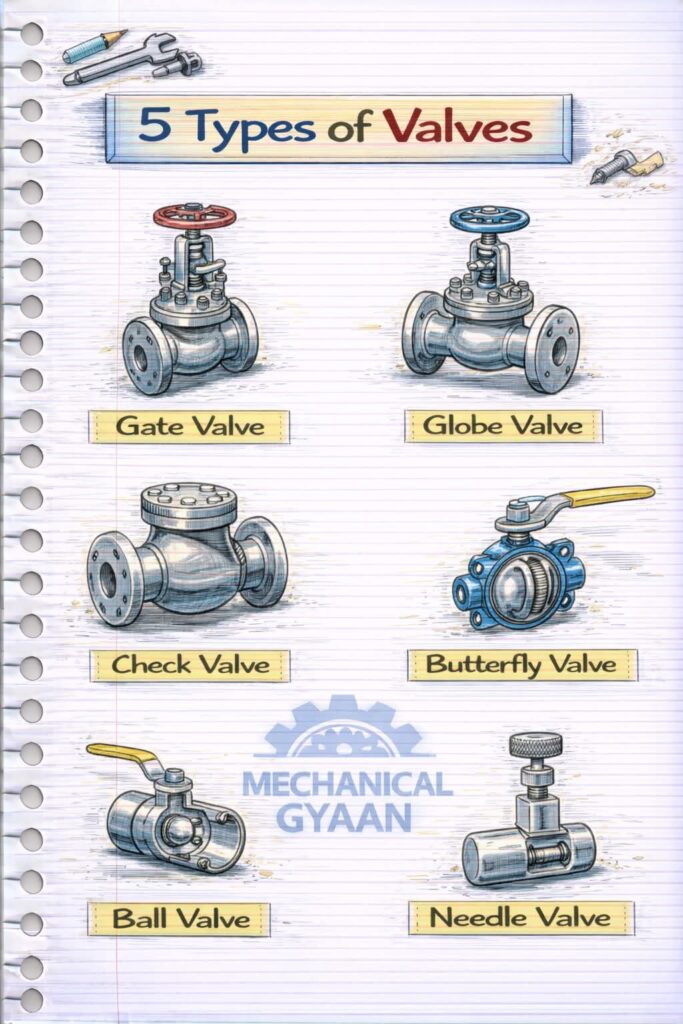
Valves that are not classified as full bore typically have a smaller internal diameter than the nominal diameter of the pipe they are connected to, which may result in restrictions on flow. Here are common types of reduced bore and non-full bore valves:

1. Reduced Bore Ball Valve

  • Description: The internal diameter of the ball valve is smaller than the piped diameter.
  • Use: Suitable for applications where space and weight are critical and where slightly reduced flow is acceptable.

2. Globe Valve

  • Description: The flow passage in a globe valve is designed with a throttle that creates a restriction in the flow.
  • Use: Commonly used for throttling and regulating flow; provides good flow control but has higher pressure drops compared to full bore valves.

3. Gate Valve

  • Description: While many gate valves can be full bore, certain designs with reduced ports exist that limit flow.
  • Use: Primarily for on/off service but can be designed with reduced bores for specific applications.

4. Butterfly Valve

  • Description: Certain designs of butterfly valves (especially those with concentric designs) may not provide a full bore.
  • Use: Cost-effective and lightweight; used in low-pressure applications where flow control is necessary.

5. Check Valve

  • Description: Some check valves, particularly swing check valves, have a reduced internal diameter.
  • Use: Used to prevent reverse flow in piping systems; not ideal for applications requiring high flow rates.

6. Plug Valve

  • Description: Depending on the design, some plug valves may have a port that is smaller than the pipe diameter.
  • Use: Commonly used for on/off control in various industrial applications.

7. Pinch Valve

  • Description: The flow is controlled by pinching a flexible sleeve or bladder, which creates a reduced area for the fluid to flow through.
  • Use: Best for slurries and fluids containing solids, allowing for easy control and isolation.

8. Diaphragm Valve

  • Description: Not all diaphragm valves yield a full bore, particularly in tube-type designs.
  • Use: Suitable for handling corrosive fluids, slurries, and applications requiring tight shut-off.

Summary

Understanding the type of valve and its design is crucial for ensuring the performance meets the specific flow requirements of an application. Reduced bore valves, while advantageous in some cases, may lead to increased pressure drops and reduced flow rates compared to full bore options.

Types of Ball Valves

Ball valves are quarter-turn valves that use a hollow, perforated, and pivoting ball to control fluid flow . They are known for providing tight shutoff, durability, and ease of operation . Here are the main types of ball valves and their uses:
  • Standard Ball Valves: These are general-purpose valves suitable for a wide range of applications, including on/off control in various industries .
  • Full Port Ball Valves: The bore size is the same as the pipe’s inner diameter, offering unrestricted flow and minimal pressure drop . They are used when free, unobstructed flow is essential .
  • Reduced Port Ball Valves: The bore size is smaller than the pipe’s inner diameter, resulting in a slight pressure drop . They are more economical than full port valves and suitable for applications where some flow restriction is acceptable .
  • V-Port Ball Valves: The ball has a V-shaped notch, providing precise flow control . They are used for throttling applications requiring accurate adjustments .
  • Multi-Port Ball Valves: These valves have three or more ports, allowing for diverting or mixing fluids from different sources . They are used in complex piping systems where flow direction needs to be changed .
  • Flanged Ball Valves: These valves have flanged ends for easy installation and removal from piping systems . They are used in applications where valves need to be frequently inspected or replaced .
  • Threaded Ball Valves: These valves have threaded ends (NPT or BSP) for connecting to threaded pipes . They are used in smaller piping systems and low-pressure applications .
  • Welded Ball Valves: These valves are welded into the pipeline, providing a leak-proof connection . They are used in high-pressure and high-temperature applications where reliability is critical .
  • Hydraulic Ball Valves: Designed for high-pressure hydraulic systems . They are used in heavy machinery, construction equipment, and other hydraulic applications .
  • Brass Ball Valves: Commonly used in plumbing and low-pressure applications . They are suitable for potable water and other non-corrosive fluids .
  • PVC Ball Valves: Used for corrosive fluids and chemical applications . They are resistant to many chemicals and acids .
  • Stainless Steel Ball Valves: Offer excellent corrosion resistance and are suitable for a wide range of applications, including chemical, food, and pharmaceutical industries .

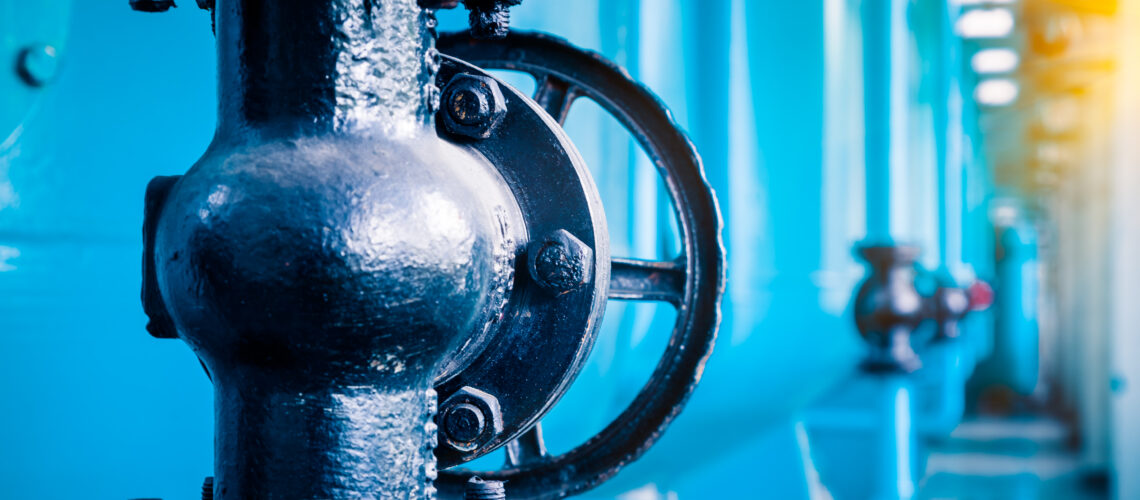
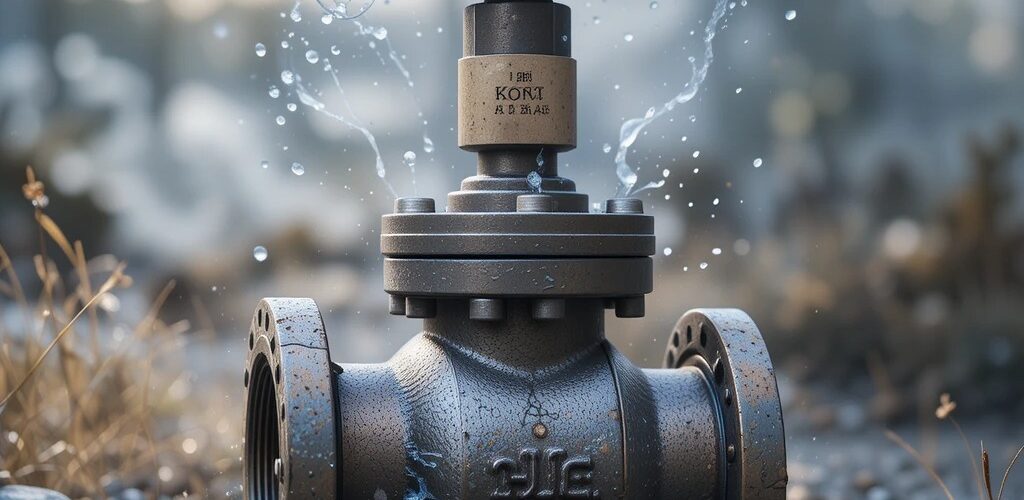
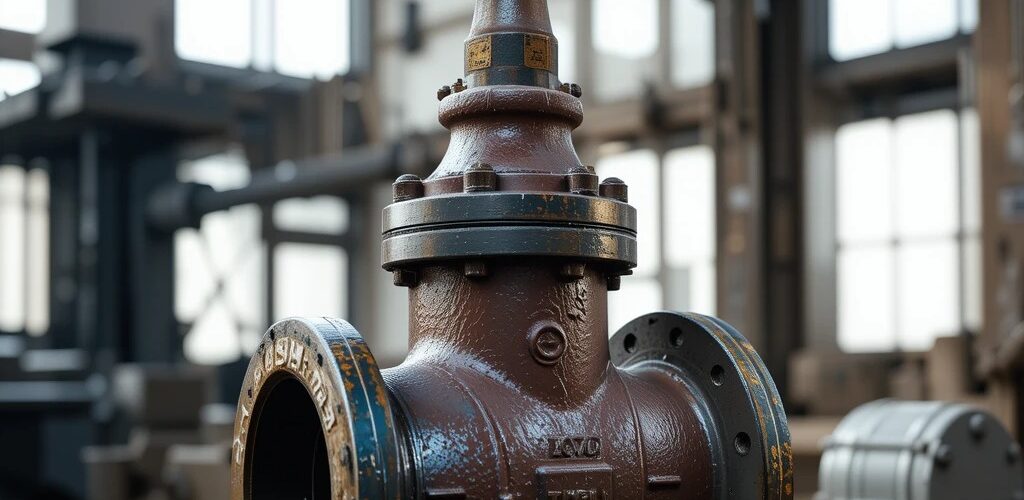
Types of Gate valves

Gate valves are classified based on the type of disc, body-bonnet joint, and stem movement . Here’s a breakdown:

I. Based on Disc Type:

  • Solid Wedge Gate Valve: This is the most common and basic type, known for its simplicity and strength . It’s a single, solid piece and suitable for most fluids and turbulent flow .
  • Flexible Wedge Gate Valve: This has a one-piece disc with a cut around the perimeter to provide flexibility . This design is better for thermal expansion and prevents thermal binding, often used in steam systems .
  • Split Wedge (Parallel Disc) Gate Valve: It has two solid pieces held together by a mechanism . This allows each disc to adjust to the seating surface and is suitable for noncondensing gasses and liquids .

II. Based on Body-Bonnet Joint:

  • Screwed Bonnet: This is a simple, inexpensive design .
  • Bolted Bonnet: This is the most common type, using a gasket to seal the joint .
  • Welded Bonnet: It’s a design where disassembly is not required, and it’s lighter than bolted bonnets .
  • Pressure-Seal Bonnet: Used for high-pressure and high-temperature applications, where increased pressure improves the seal .

III. Based on Stem Movement:

  • Rising Stem (Outside Screw and Yoke – OS&Y): The stem rises when the valve is opened, giving a visual indication of the valve position . The stem threads are outside the valve, protecting them from the fluid .
  • Non-Rising Stem (Inside Screw): The stem does not rise or lower; instead, it rotates, making it suitable for tight spaces . The stem threads are exposed to the fluid .

Additional Types:

  • Knife Gate Valve: This is designed with a sharp edge to cut through thick fluids and slurries, often used in industries like mining and paper .
  • Through-Conduit Gate Valve: This type has a gate that’s fully enclosed when open, which is designed to maintain a smooth, uninterrupted flow path. It’s commonly used in pipelines where pigging is required .

Globe Valves

Globe Valve Types based on Body Bonnet Connection


Screwed bonnet: This is the simplest design available and it is used for inexpensive valves.
Bolted-bonnet: This is the most popular design and used in a large number of globe valves. This requires a gasket to seal the joint between the body and bonnet.
Welded-Bonnet: This is a popular design where disassembly is not required. They are lighter in weight than their bolted-bonnet counterparts.
Pressure-Seal Bonnet: This type is used extensively for high-pressure high-temperature applications. The higher the body cavity pressure, the greater the force on the
gasket in a pressure -seal valve.

Application of Globe valve
Globe Valves are used in the systems where flow control is required and leak tightness is also important.
It used in high-point vents and low-point drains when leak tightness and safety are major concerns. Otherwise, you can use a gate valve for drain and vent.
It can be used in Feed-water, chemical, air, lube oil and almost all services where pressure drop is not an issue
This valve is also used as an automatic control valve, but in that case, the stem of the valve is a smooth stem rather than threaded and is opened and closed by lifting action of an actuator assembly.

Advantages
Better shut off as compared to gate valve
Good for frequent operation as no fear of wear of seat and disk
Easy to repair, as seat and disk can be accessed from the valve top
Fast operation compares to gate valve due to shorter stroke length
Usually operated by an automatic actuator

Disadvantages
High head loss from two or more right-angle turns of flowing fluid within the valve body.
Obstructions and discontinuities in the flow path lead to a high head loss.
In a large high-pressure line, pulsations and impacts can damage internal trim parts.
A large valve require considerable power to open and create noise while in operation.
It is heavier than other valves of the same pressure rating.
Costlier compared to the gate valve
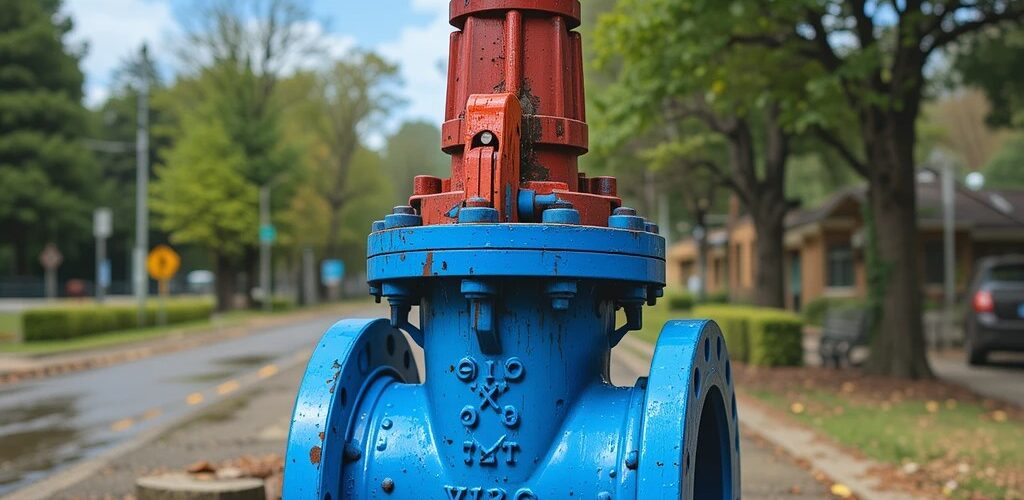

Types of Globe Valve

Depending on the type of body there are three types of globe valves;

  • Z types
  • Y types
  • Angle Types

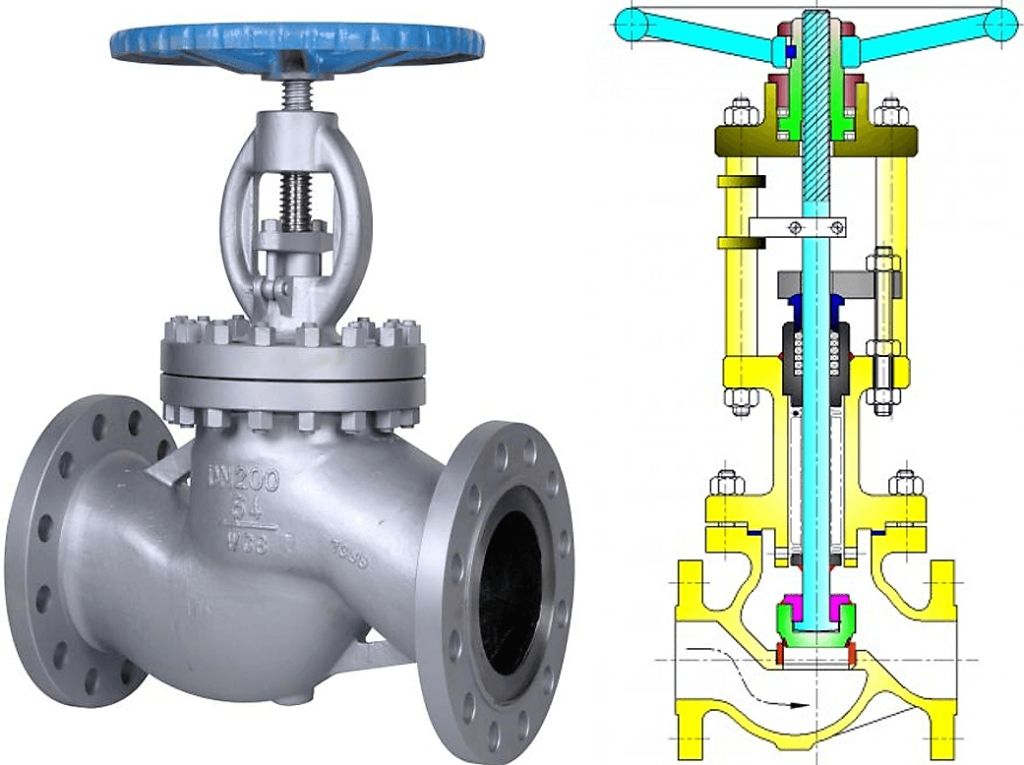
Z types Globe Valve

The simplest design and most common type is a Z-body. The Z-shaped partition inside the globular body contains the seat. The horizontal seating arrangement of the
seat allows the stem and disk to travel at a perpendicular to the pipe axis resulting in a very high-pressure loss.
The valve seat is easily accessible through the bonnet which is attached to a large opening at the top of the valve body. Stem passes through the bonnet like a gate
valve.
This design simplifies manufacturing, installation, and repair. This type of valve is used where pressure drop is not a concern and throttling is required.
Y types Globe Valve

The Y-type design is a solution for the high-pressure drop problem in Z-type valves. In this type, seat and stem are angled at approximately 45° to the pipe axis. Y-body valves are used in high pressure and other critical services where pressure drop is concerned.

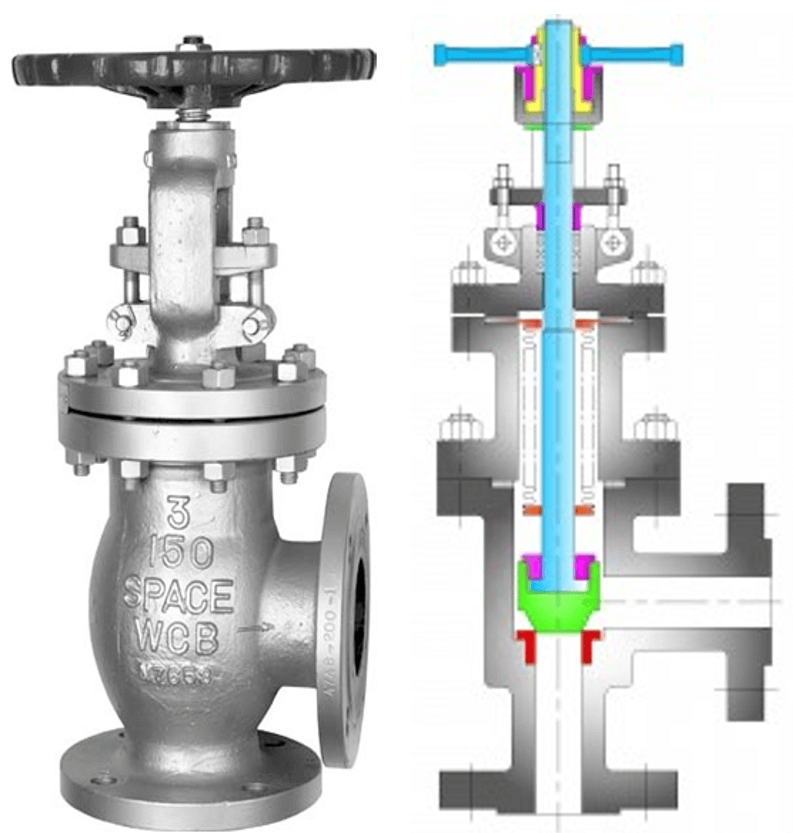
Angle types Globe Valve

Angle globe valve turns the flow direction by 90 degrees without using an elbow and one extra pipe weld. Disk open against the flow. This type of globe valve can be
used in the fluctuating flow condition also, as they are capable of handling the slugging effect.

Note#105

if the vessel is protected by multiple relief devices, then one relief device must be set no higher than the MAWP but the others can be set as high as 105% of the MAWP.


Note#103

Centrifugal Pumps not need PSV, But Positive displacement pump may need PSV


Note#102

Relief Valves

 The required relief area for two-phase flow is typically two to ten times the area for single-phase flow.

 For spring-operated relief valves, small amounts of leakage start to occur at 92–95% of the set pressure.

 A relief devices over-pressure is the pressure increase over its set pressure, usually expressed as a percentage of the set pressure. Pop-acting relief valves do not immediately open completely (to 100% lift). Sufficient over pressure is necessary to achieve full lift.

 if the vessel is protected by multiple relief devices, then one relief device must be set no higher than the MAWP but the others can be set as high as 105% of the MAWP.


Note#94

On the long term negative effects of rusting on steel valves will reduce the structural integrity of the valve, since rust has different physical characteristics than steel


Note#31

Valve selection according to (pressure drop, seat leakage, fluid properties, system leakage, actuation requirements, initial cost & maintenance)


Note#30

Stop valve=Isolation valve=Division valve & can be (gate, globe, ball, butterfly, plug & diaphragm)